How to Choose the Right Cookware for Your Kitchen
Buying cookware sounds simple until you stand in a store staring at dozens of pots and pans that all claim they can transform you into a celebrity chef. Suddenly, choosing cookware feels like solving a puzzle with missing pieces.
I learned this lesson the hard way. Years ago, I bought a cheap cookware set because the shiny box looked impressive. Three months later, the pans warped, food stuck everywhere, and cooking became an exercise in patience. Since then, I’ve tested different materials, sizes, and brands, and I’ve learned what actually matters.
If you’re wondering how to choose the right cookware for your kitchen, you’re in the right place. Let’s break it down without the confusing jargon and marketing hype.
Why Choosing the Right Cookware Matters
Many people focus on recipes while ignoring the cookware itself. That’s like buying premium fuel for a car with flat tires.
Your cookware affects:
- Cooking performance
- Heat distribution
- Food flavor
- Cleaning time
- Durability
- Energy efficiency
The right cookware helps you cook better meals with less frustration. The wrong cookware can turn a simple dinner into a mini disaster.
Ever wondered why food burns in one pan but cooks perfectly in another? The cookware often makes the difference.
Start with Your Cooking Style
Before you buy anything, think about how you actually cook.
Many people purchase cookware based on trends. Then the expensive Dutch oven sits in a cabinet collecting dust. Not exactly a great investment.
Ask yourself:
- Do you cook daily?
- Do you prepare quick meals?
- Do you enjoy slow cooking?
- Do you make sauces often?
- Do you fry food frequently?
- Do you cook for a large family?
Your answers should guide every cookware purchase.
For Everyday Home Cooks
If you cook basic meals several times a week, focus on versatility.
Look for:
- Frying pans
- Saucepans
- Stockpots
- Sauté pans
These essentials handle most cooking tasks without cluttering your kitchen.
For Serious Food Enthusiasts
If you enjoy experimenting with recipes, consider specialty cookware.
You might benefit from:
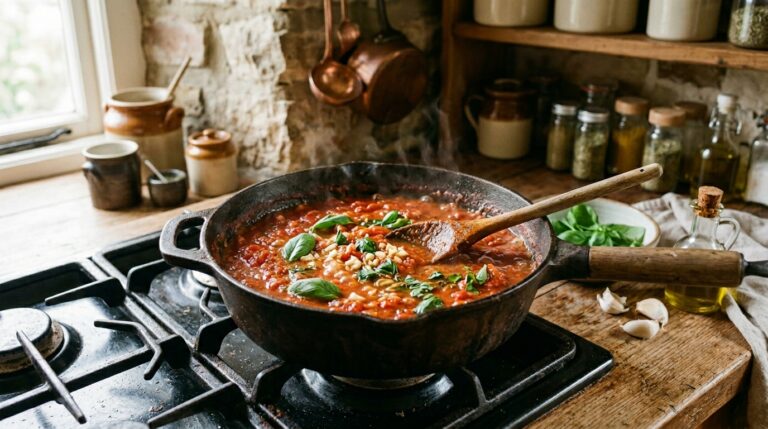
- Cast iron skillets
- Dutch ovens
- Woks
- Grill pans
These pieces expand your cooking options and improve specific techniques.
Understanding Cookware Materials
Material matters more than brand names in many cases.
Let’s look at the most common options.
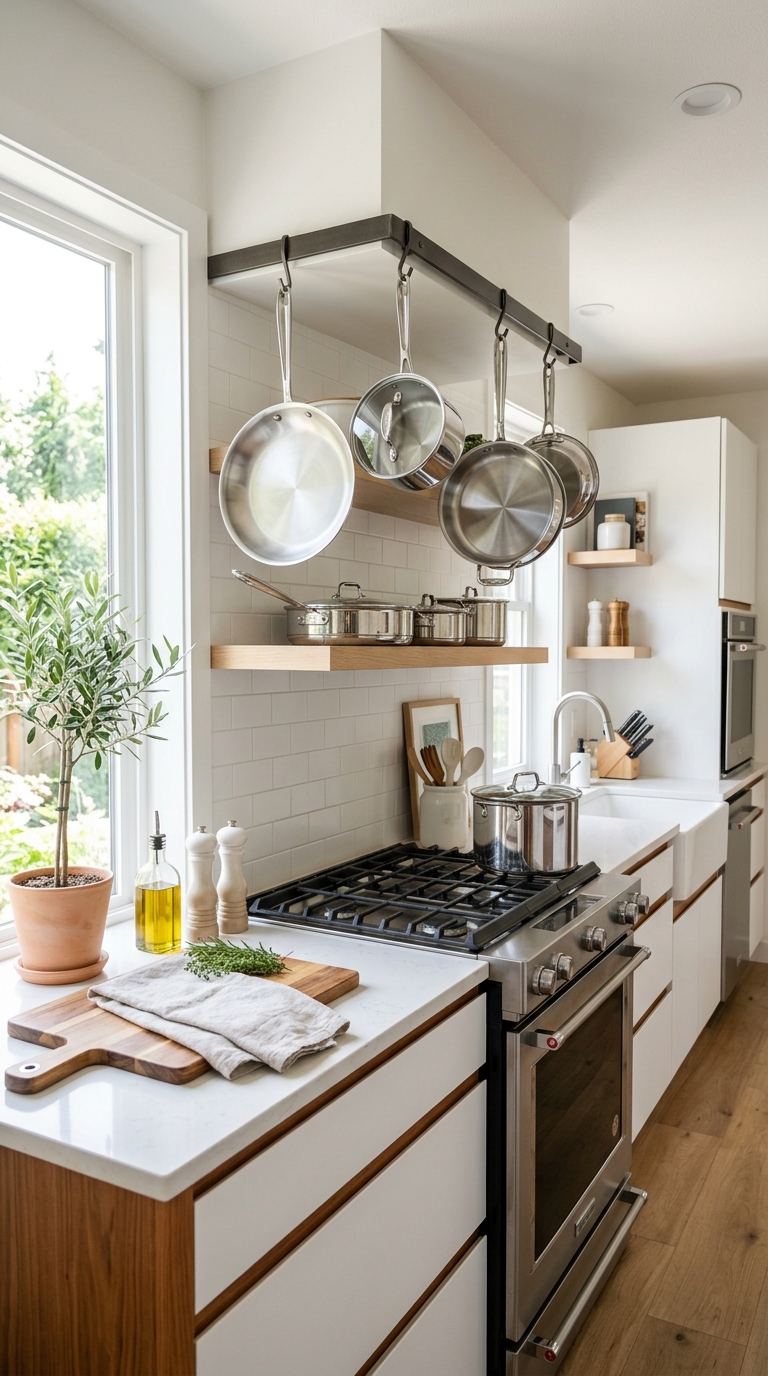
Stainless Steel Cookware
Many professional kitchens rely on stainless steel for a reason.
Pros:
- Extremely durable
- Resistant to rust
- Easy maintenance
- Versatile for many recipes
Cons:
- Food can stick
- Learning curve exists
I personally love stainless steel for sauces and searing meat. Once you learn temperature control, it becomes incredibly reliable.
Nonstick Cookware
Nonstick pans remain popular because they make cooking easy.
Pros:
- Food releases easily
- Requires less oil
- Easy cleanup
Cons:
- Shorter lifespan
- Scratches easily
- Cannot handle extreme heat
FYI, nonstick cookware works wonderfully for eggs. I haven’t met a better tool for omelets yet.
Cast Iron Cookware
Cast iron has earned legendary status among cooking enthusiasts.
Pros:
- Outstanding heat retention
- Naturally nonstick when seasoned
- Extremely durable
Cons:
- Heavy
- Requires maintenance
- Slower heating
A well-maintained cast iron skillet can outlive its owner. That’s a pretty impressive return on investment.
Copper Cookware
Copper cookware delivers exceptional heat control.
Pros:
- Rapid heating
- Precise temperature adjustments
- Beautiful appearance
Cons:
- Expensive
- Higher maintenance requirements
Copper feels like the sports car of cookware. It performs brilliantly but demands attention.
Ceramic Cookware
Ceramic cookware continues to gain popularity.
Pros:
- Non-reactive surface
- Attractive design
- Easy food release
Cons:
- Can lose effectiveness over time
- Less durable than stainless steel
Many home cooks appreciate ceramic because it combines convenience with a modern appearance.
Choose Cookware Based on Heat Conductivity
Heat conductivity determines how evenly cookware cooks food.
Poor heat distribution creates hot spots.
Hot spots cause:
- Burnt food
- Uneven cooking
- Wasted ingredients
Nobody enjoys scraping charred chicken from one side of a pan while the other side remains undercooked.
Best Heat Conductors
These materials excel at transferring heat:
- Copper
- Aluminum
- Multi-clad stainless steel
Multi-clad cookware combines stainless steel with aluminum or copper cores. This design delivers durability and excellent performance.
Even heating often matters more than fancy features.
Match Cookware to Your Stove
Many buyers overlook this step.
Different cooktops require different cookware.
Gas Stoves
Gas stoves work with nearly all cookware materials.
You can use:
- Stainless steel
- Cast iron
- Copper
- Nonstick
- Ceramic
Gas offers excellent flexibility.
Electric Stoves
Electric stoves require flat-bottom cookware for efficient contact.
Avoid warped pans because they reduce cooking performance.
Induction Cooktops
Induction cooking requires magnetic materials.
Compatible options include:
- Cast iron
- Magnetic stainless steel
Non-compatible cookware won’t work at all. The stove simply refuses to cooperate. Technology can be surprisingly stubborn sometimes 🙂
Consider Cookware Weight
Weight affects daily usability.
A giant cast iron skillet may perform beautifully, but can you comfortably lift it?
Think about:
- Storage
- Mobility
- Strength
- Daily convenience
I once purchased an oversized cast iron pan because online reviews praised it endlessly. Then I realized moving it required two hands and a small motivational speech.
Choose cookware you can comfortably handle.
Essential Cookware Pieces Every Kitchen Needs
You don’t need twenty pots and pans.
A carefully selected collection works better.
Must-Have Cookware
10-12 Inch Frying Pan
Perfect for:
- Eggs
- Vegetables
- Chicken
- Pancakes
3-Quart Saucepan
Ideal for:
- Rice
- Pasta sauce
- Soups
Stockpot
Great for:
- Broths
- Pasta
- Large batches
Sauté Pan
Excellent for:
- One-pan meals
- Stir-fries
- Braising
These four pieces handle most cooking situations efficiently.
Should You Buy a Cookware Set or Individual Pieces?
This question comes up constantly.
The answer depends on your needs.
Benefits of Cookware Sets
Sets often provide:
- Better value
- Matching appearance
- Convenient purchasing
Benefits of Individual Pieces
Individual purchases allow:
- Greater customization
- Better quality selection
- No unnecessary items
IMO, most people benefit from building their cookware collection gradually.
You avoid paying for pieces you’ll never use.
Durability Matters More Than Trends
Kitchen trends change constantly.
One year everyone loves ceramic. The next year social media declares carbon steel the ultimate cookware.
Instead of chasing trends, prioritize durability.
Look for:
- Riveted handles
- Thick construction
- Quality materials
- Strong warranties
Durable cookware saves money over time.
A cheap pan replaced every year often costs more than one quality pan that lasts a decade.
Don’t Ignore Maintenance Requirements
Every cookware material requires some level of care.
Before purchasing, ask yourself how much maintenance you’re willing to perform.
Low-Maintenance Options
- Stainless steel
- Nonstick
- Ceramic
Higher-Maintenance Options
- Cast iron
- Copper
Many buyers love the idea of cast iron until they discover seasoning routines. Then enthusiasm fades quickly :/
Choose cookware that fits your lifestyle.
Budget Smartly
Expensive doesn’t always mean better.
Many mid-range cookware brands deliver outstanding performance.
Focus on:
- Construction quality
- Material
- Heat distribution
- Durability
Avoid paying extra solely for branding.
I often recommend investing heavily in cookware you use daily while spending less on specialty pieces.
That approach delivers the best value.
Common Cookware Buying Mistakes
Let’s prevent a few expensive regrets.
Mistake #1: Buying Based on Appearance
Beautiful cookware attracts attention.
Performance matters more.
Mistake #2: Ignoring Compatibility
Always confirm stove compatibility before purchasing.
Mistake #3: Choosing Huge Sets
Many large sets include pieces that rarely leave the cabinet.
Mistake #4: Prioritizing Price Alone
The cheapest option often becomes the most expensive long-term choice.
Mistake #5: Overlooking Comfort
Handles should feel secure and comfortable.
You’ll use them constantly.
Final Thoughts
Choosing the right cookware for your kitchen doesn’t require expert-level culinary knowledge. You simply need to understand your cooking habits, preferred materials, stove type, and budget.
Focus on quality, durability, heat performance, and practicality rather than flashy marketing claims. Start with essential pieces, add specialty cookware when needed, and invest in products that match how you actually cook.
At the end of the day, great cookware won’t magically turn anyone into a master chef. Trust me, I’ve tested that theory. But the right cookware will make cooking easier, more enjoyable, and far less frustrating. And honestly, isn’t that exactly what we want from our kitchen tools?