
How to Freeze Meals Without Losing Flavor
Nothing feels more disappointing than pulling a frozen meal from the freezer, heating it up, taking a bite, and wondering where all the flavor went. The meal looked promising. Your expectations soared. Then reality arrived with the taste of bland cardboard.
The good news? Learning how to freeze meals without losing flavor isn’t difficult. A few smart storage techniques can help your meals taste almost as good as the day you made them.
I started freezing meals years ago to save time during busy weeks. At first, my results varied wildly. Some meals tasted fantastic. Others tasted like they had spent six months reflecting on poor life decisions in the freezer. Once I learned a few simple tricks, everything improved dramatically.
Let’s talk about how to freeze food properly while keeping flavor, texture, and quality intact.
Why Frozen Meals Sometimes Lose Flavor
Many people blame the freezer when meals taste bland.
The freezer usually isn’t the real problem.
Common Causes of Flavor Loss
Several factors affect frozen food quality:
- Freezer burn
- Improper packaging
- Excess air exposure
- Poor freezing techniques
- Incorrect thawing methods
Air is often the biggest enemy. When food comes into contact with air, flavors fade and textures suffer.
Ever noticed those dry, icy patches on frozen food? That’s freezer burn working its magic. Unfortunately, nobody asked for that magic trick.
Benefits of Freezing Meals Properly
Freezing meals offers far more than convenience.
Why Meal Freezing Makes Sense
Proper freezing helps you:
- Save time
- Reduce food waste
- Save money
- Simplify meal planning
- Keep healthy meals available
I always keep a few homemade meals in the freezer. Future-me appreciates that decision every time a busy day appears out of nowhere.
Better Than Last-Minute Takeout
A well-frozen homemade meal often beats expensive takeout.
You control:
- Ingredients
- Portions
- Nutrition
- Flavor
That’s a pretty solid win.
Choose Freezer-Friendly Meals
Not every meal freezes equally well.
Some foods freeze beautifully. Others become culinary heartbreak.
Best Foods for Freezing
Excellent freezer-friendly meals include:
- Soups
- Stews
- Chili
- Casseroles
- Pasta sauces
- Cooked meats
- Rice dishes
These foods generally maintain flavor and texture well.
Foods That Don’t Freeze Well
Some foods struggle in the freezer.
Examples include:
- Lettuce
- Cucumbers
- Raw potatoes
- Cream-heavy sauces
- Fried foods
These foods often become watery or mushy after thawing.
Cool Meals Before Freezing
Temperature matters more than many people realize.
Why Cooling Is Important
Hot food creates condensation.
Condensation creates ice crystals.
Ice crystals damage texture and flavor.
Proper Cooling Method
Follow these steps:
- Let food cool slightly.
- Divide large portions into smaller containers.
- Refrigerate until chilled.
- Freeze once fully cooled.
Never place steaming-hot food directly into the freezer.
This practice affects both food quality and freezer efficiency.
Use the Right Containers

Good containers make a huge difference.
Best Freezer Storage Options
Consider:
- Freezer-safe containers
- Vacuum-sealed bags
- Heavy-duty freezer bags
- Glass freezer containers
The goal is simple.
Keep air out.
Why Container Choice Matters
Better containers:
- Reduce freezer burn
- Protect flavor
- Preserve texture
- Prevent leaks
Cheap storage often creates expensive disappointment later.
Remove as Much Air as Possible
Air exposure damages frozen food faster than almost anything else.
How to Reduce Air Exposure
Try these methods:
- Fill containers close to the top
- Press excess air from freezer bags
- Use vacuum sealers when possible
The less air inside, the better your results.
Vacuum Sealing vs Regular Freezer Bags
Vacuum sealing generally wins.
Benefits include:
- Longer storage life
- Better flavor retention
- Reduced freezer burn
However, regular freezer bags still work well when used correctly.
Freeze Meals in Individual Portions
Large containers seem convenient initially.
Then reality arrives.
Why Smaller Portions Work Better
Smaller portions:
- Freeze faster
- Thaw faster
- Reduce waste
- Improve convenience
Ever thaw an entire casserole when you only needed one serving? That’s a lesson most freezer enthusiasts learn eventually.
Portioning Tips
Store meals in:
- Single servings
- Family servings
- Lunch portions
Label each container clearly.
Your future self won’t remember what’s inside every mysterious frozen container.
Label Everything
This habit sounds boring.
It’s also incredibly useful.
What to Include on Labels
Write:
- Meal name
- Date frozen
- Portion size
A simple label prevents confusion later.
Why Labels Matter
Without labels:
- You forget freezing dates
- Meals become mystery containers
- Food waste increases
Mystery soup sounds exciting until dinner time arrives.
Freeze Meals Quickly
Fast freezing helps preserve quality.
Why Speed Matters
Quick freezing creates smaller ice crystals.
Smaller crystals cause less damage.
This means better texture after thawing.
Tips for Faster Freezing
Try:
- Using shallow containers
- Freezing smaller portions
- Leaving space between containers initially
The faster food freezes, the better it usually tastes later.
Protect Flavor Before Freezing
Some flavor protection starts before food enters the freezer.
Slightly Increase Seasoning
Freezing can dull certain flavors.
I often add a little extra:
- Herbs
- Garlic
- Spices
Not dramatically. Just enough to compensate.
Focus on Flavorful Ingredients
Meals with bold flavors often freeze better.
Examples include:
- Chili
- Curry
- Tomato-based sauces
- Braised meats
Strong flavors tend to survive freezing more successfully.
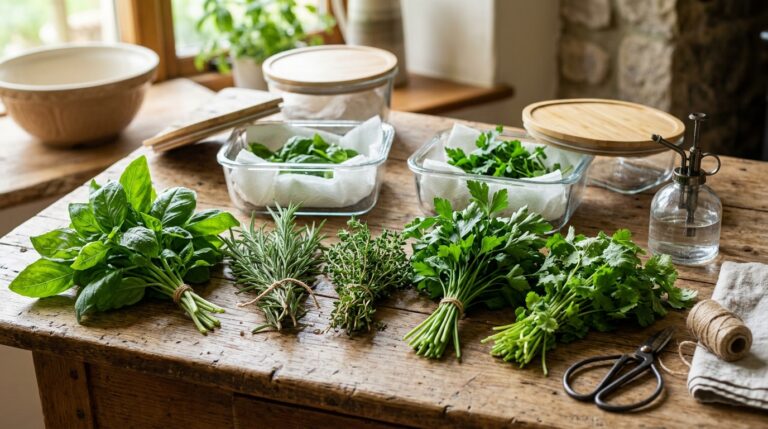
Freeze Fresh Herbs Separately
Fresh herbs sometimes lose their texture after freezing.
Better Herb Strategy
Freeze herbs separately.
Use:
- Herb cubes
- Chopped frozen herbs
- Herb-infused oils
Then add them during reheating.
This trick often creates brighter flavor.
How Long Can Frozen Meals Last?
Frozen food doesn’t last forever.
Recommended Storage Times
For best quality:
- Soups: 2–3 months
- Stews: 3–4 months
- Cooked meats: 2–6 months
- Casseroles: 2–3 months
- Sauces: 3–4 months
Use meals sooner for the best flavor.
Longer storage usually means gradual quality loss.
Thaw Meals Correctly
Thawing matters almost as much as freezing.
Best Thawing Method
Move meals from the freezer to the refrigerator.
Allow:
- Overnight thawing
- Slow temperature changes
This method protects texture and flavor.
Quick Thawing Options
If you’re short on time:
- Use the microwave defrost setting
- Use cold-water thawing
Avoid leaving food on the counter for extended periods.
Food safety always comes first.
Reheat Meals the Right Way
Good reheating preserves flavor.
Bad reheating ruins excellent food.
Gentle Reheating Works Best
Use:
- Medium stovetop heat
- Moderate oven temperatures
- Controlled microwave settings
Patience improves results.
Add Moisture If Needed
Frozen meals sometimes lose moisture.
Add:
- Broth
- Water
- Sauce
A small amount often restores texture beautifully.
Common Freezing Mistakes

Many people accidentally sabotage their frozen meals.
Freezing Food Too Late
Freeze food while it’s still fresh.
Don’t wait until ingredients approach expiration.
Overfilling Containers
Food expands during freezing.
Leave a little space at the top.
Ignoring Freezer Burn
Freezer burn affects:
- Texture
- Flavor
- Appearance
Proper packaging helps prevent it.
Constant Temperature Changes
Frequent thawing and refreezing damages food quality.
Maintain consistent freezer temperatures whenever possible.
Best Meals for Beginner Freezer Meal Prep
New to meal freezing?
Start simple.
Easy Beginner Options
Try:
- Beef chili
- Chicken soup
- Lasagna
- Burrito bowls
- Pulled chicken
These meals generally freeze extremely well.
Why These Meals Work
They contain:
- Moist ingredients
- Strong flavors
- Stable textures
That combination creates excellent freezer performance.
Building a Freezer Meal System
A little organization goes a long way.
Rotate Meals Regularly
Use older meals first.
This practice keeps food fresh and reduces waste.
Keep an Inventory List
Track:
- Meal names
- Dates
- Quantities
FYI, this habit saves surprising amounts of time and frustration.
No more digging through frozen containers like an archaeologist searching for ancient artifacts.
Frozen Homemade Meals vs Store-Bought Frozen Meals
Both options offer convenience.
Homemade Frozen Meals
Benefits include:
- Better ingredients
- Lower cost
- Greater customization
- More control
Store-Bought Frozen Meals
Benefits include:
- Convenience
- Variety
- No preparation required
IMO, homemade meals usually win on flavor and value.
The effort upfront pays off later.
Final Thoughts on How to Freeze Meals Without Losing Flavor
Learning how to freeze meals without losing flavor comes down to a few simple habits. Cool meals properly, remove excess air, use quality containers, freeze food quickly, and thaw meals carefully.
Remember these key points:
- Choose freezer-friendly recipes
- Use airtight packaging
- Label everything
- Freeze in portions
- Reheat gently
These small steps help preserve flavor, texture, and quality.
The next time you stock your freezer, you’ll know exactly how to protect your meals from blandness and freezer burn. Your future self will thank you when dinner appears in minutes and still tastes fantastic 🙂