How to Start Cooking from Scratch as a Beginner
Ever stare into your kitchen and wonder how people magically turn a handful of ingredients into an actual meal? You’re not alone. A lot of beginners feel overwhelmed when they first start cooking from scratch. Between recipes, techniques, and endless kitchen gadgets, the whole thing can feel way more complicated than it needs to be.
The truth? Learning how to start cooking from scratch as a beginner is much easier than most people think. You don’t need chef skills, expensive equipment, or a perfectly organized pantry. You just need a few basic ingredients, some simple techniques, and the confidence to make a few mistakes along the way.
I still remember my first attempt at homemade pasta sauce. I somehow managed to burn onions and undercook garlic in the same pan. Impressive, right? Thankfully, cooking gets easier fast when you focus on the fundamentals.
Let’s break it all down step by step.
Why Cooking from Scratch Is Worth Learning
Cooking from scratch takes a little more effort than opening a box or heating frozen food, but the rewards make it worthwhile.
When you cook your own meals, you control every ingredient. You decide how much salt, sugar, oil, and seasoning goes into your food.
Benefits of Cooking from Scratch
Here are some of the biggest advantages:
- Saves money over time
- Gives you healthier meal options
- Improves your cooking confidence
- Helps you understand ingredients
- Allows endless customization
Ever notice how restaurant meals often contain more oil and salt than you expected? Homemade meals give you complete control.
Start with the Right Mindset
Many beginners think they need to master complicated recipes immediately. That’s usually where frustration starts.
Forget About Perfection
Your first meals won’t look like magazine photos.
Neither did mine.
Focus on learning one skill at a time instead of chasing perfection. A slightly ugly meal that tastes great beats a beautiful disaster every time.
Accept That Mistakes Happen
Every cook burns something eventually.
You might:
- Overcook pasta
- Burn toast
- Add too much seasoning
- Forget an ingredient
That’s normal. Every mistake teaches you something useful.
Build a Basic Kitchen Setup
You don’t need a kitchen filled with gadgets. Marketing departments would love for you to believe otherwise, of course.
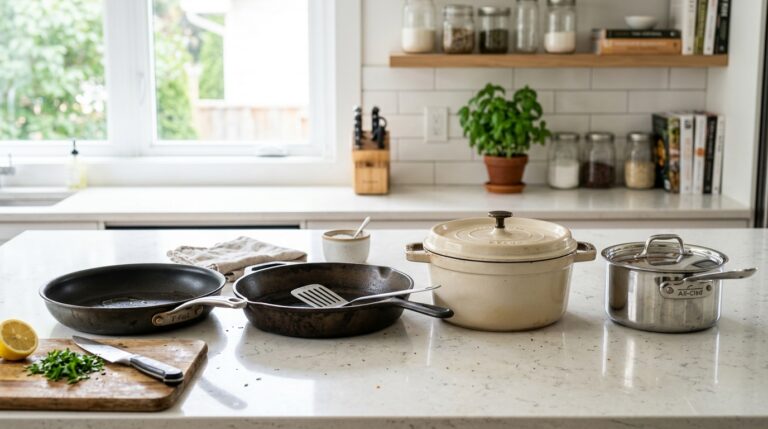
Essential Cooking Tools
Start with:
- Chef’s knife
- Cutting board
- Large skillet
- Saucepan
- Baking sheet
- Mixing bowls
- Measuring cups and spoons
These basics handle most beginner recipes.
Tools You Can Skip Initially
You can wait before buying:
- Bread makers
- Air fryers
- Specialty slicers
- Expensive mixers
Learn the fundamentals first. Fancy tools can come later.
Stock Your Pantry with Simple Ingredients
A well-stocked pantry makes cooking from scratch much easier.
Pantry Staples for Beginners
Keep these on hand:
- Rice
- Pasta
- Flour
- Canned tomatoes
- Beans
- Cooking oil
- Salt
- Black pepper
- Garlic powder
- Onion powder
These ingredients form the foundation of countless recipes.
Refrigerator Essentials
Try to keep:
- Eggs
- Milk
- Butter
- Cheese
- Fresh vegetables
- Fresh fruit
With these basics, you can create dozens of simple meals.
Learn a Few Core Cooking Techniques
You don’t need hundreds of recipes.
You need a handful of techniques.
Once you master basic cooking methods, you can apply them to countless dishes.
Sautéing
Sautéing means cooking food quickly in a small amount of oil over medium-high heat.
Use sautéing for:
- Vegetables
- Chicken
- Shrimp
- Ground meat
This technique builds flavor quickly.
Roasting
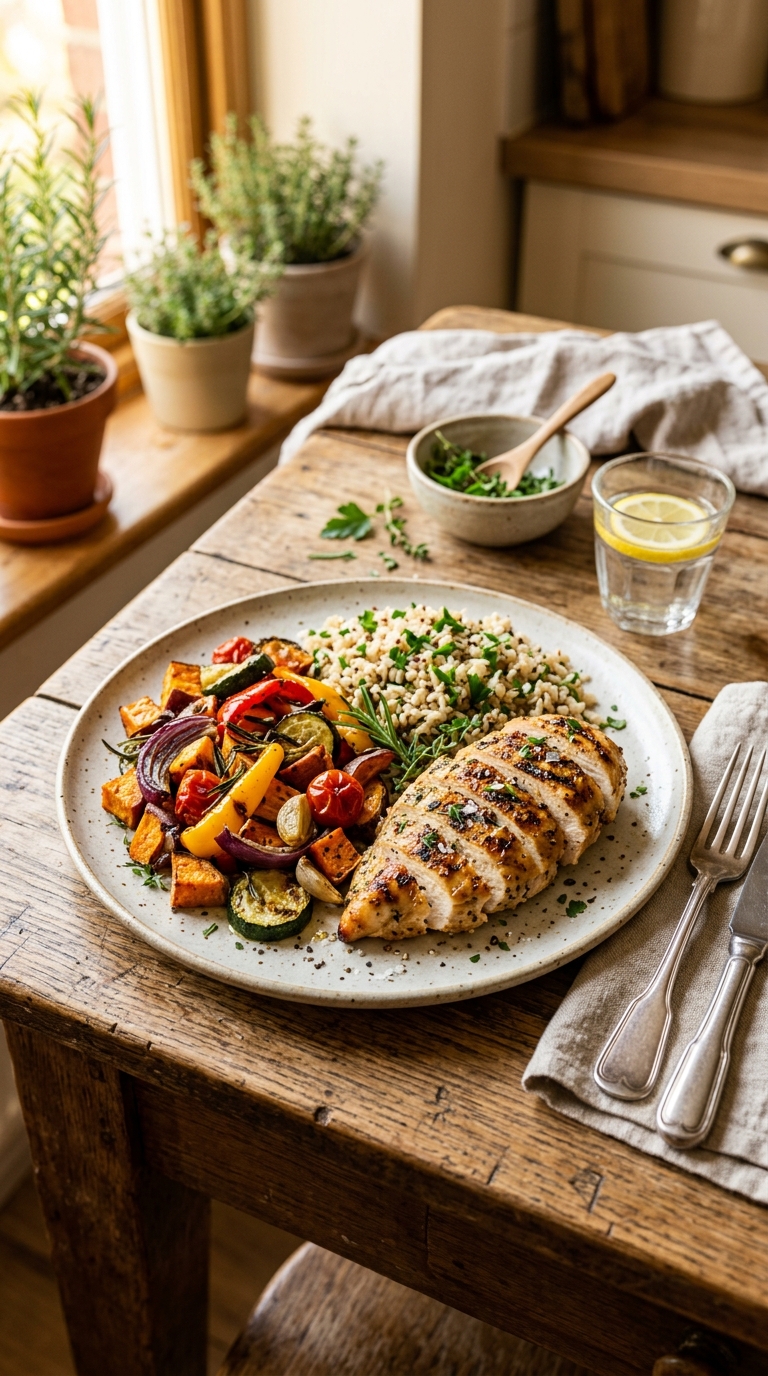
Roasting works wonderfully for beginners because it requires minimal effort.
Simply:
- Chop ingredients
- Toss with oil
- Season
- Bake
Vegetables become sweeter and more flavorful when roasted.
Boiling
Boiling seems obvious, but it matters.
You’ll use it for:
- Pasta
- Rice
- Potatoes
- Eggs
Learning proper timing makes a huge difference.
Baking
Baking teaches patience and precision.
Unlike stovetop cooking, baking relies heavily on accurate measurements.
Ever wonder why baking recipes seem stricter than cooking recipes? Baking involves chemistry. Chemistry doesn’t negotiate.
Master a Few Beginner-Friendly Recipes
Don’t overwhelm yourself with complicated dishes.
Start simple.
Easy Recipes for New Cooks
Try learning:
- Scrambled eggs
- Grilled cheese
- Pasta with sauce
- Stir-fried vegetables
- Roasted chicken
- Vegetable soup
These meals teach valuable skills without creating unnecessary stress.
Why Simple Recipes Work Best
Simple recipes help you:
- Learn ingredient behavior
- Build confidence
- Improve technique
- Understand flavor combinations
Every experienced cook started somewhere.
Learn How Flavors Work Together
Great cooking isn’t just about following recipes.
It’s about understanding flavor.
The Basic Flavor Elements
Most dishes balance:
- Salt
- Sweetness
- Acidity
- Fat
- Umami
When something tastes bland, one of these elements usually needs adjustment.
Example: Fixing a Bland Pasta Sauce
If your sauce tastes flat:
- Add salt
- Add garlic
- Add herbs
- Add a splash of lemon juice
Small changes often create big improvements.
Read Recipes Before You Start
This sounds obvious, but many beginners skip this step.
Then they panic halfway through.
Why Reading Ahead Matters
Reading recipes first helps you:
- Gather ingredients
- Understand timing
- Avoid surprises
- Stay organized
I learned this lesson after realizing I needed an hour of chilling time halfway through making cookies. That discovery ruined my snack plans immediately.
Practice Knife Skills Safely
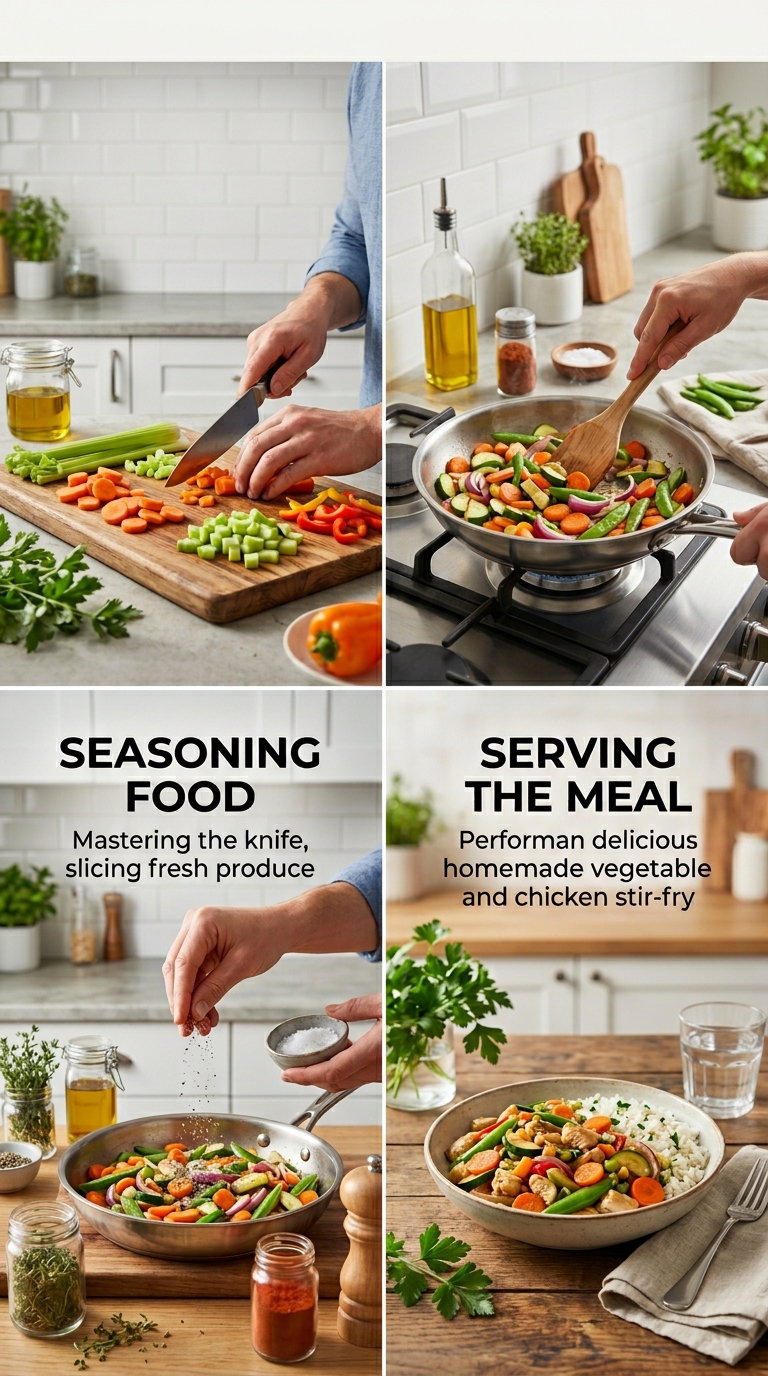
Good knife skills make cooking faster and safer.
Basic Knife Tips
Always:
- Use a sharp knife
- Cut on a stable board
- Curl your fingertips inward
- Take your time
A sharp knife actually reduces accidents because it cuts predictably.
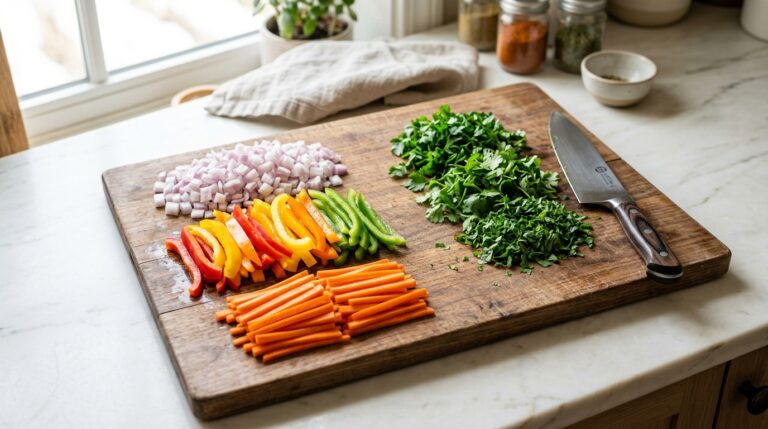
Common Beginner Cuts
Learn how to:
- Dice onions
- Slice carrots
- Chop herbs
- Mince garlic
These skills appear in countless recipes.
Don’t Fear Seasoning
Many beginners under-season food.
Then they wonder why everything tastes boring.
Start with Salt and Pepper
You don’t need a spice collection that rivals a restaurant.
Start with:
- Salt
- Black pepper
- Garlic powder
- Paprika
- Italian seasoning
These basics improve countless dishes.
Taste as You Cook
This habit changes everything.
Taste frequently and adjust gradually.
Would you paint a room without stepping back to look at it? The same idea applies to cooking.
Learn Meal Planning Basics
Meal planning saves time, money, and stress.
Simple Beginner Meal Planning
Choose:
- One protein
- One starch
- One vegetable
Mix and match throughout the week.
Example:
- Chicken
- Rice
- Broccoli
Simple combinations create surprisingly satisfying meals.
Benefits of Meal Planning
Meal planning helps you:
- Reduce food waste
- Save money
- Cook more consistently
- Avoid last-minute takeout
FYI, future-you will thank present-you for planning ahead.
Understand Common Cooking Mistakes
Knowing what not to do helps tremendously.
Overcrowding the Pan
Too much food in one pan causes steaming instead of browning.
Cook in batches when necessary.
Cooking on High Heat Constantly
Many beginners crank the heat up immediately.
High heat has its place, but moderate heat often produces better results.
Ignoring Prep Work
Professional cooks prepare ingredients before cooking.
This practice, called mise en place, keeps everything organized.
Constantly Moving Food Around
Let ingredients sit long enough to develop color and flavor.
Patience often improves cooking results.
Build Confidence Through Repetition
Cooking improves through repetition.
The first time you make a recipe, you follow instructions carefully.
The fifth time, you understand the process.
The tenth time, you barely need the recipe.
Focus on Consistency
Repeat a few meals until they feel natural.
Master:
- Eggs
- Pasta
- Rice
- Roasted vegetables
- Chicken
These fundamentals create a strong foundation.
Use Online Resources Wisely
The internet offers endless cooking advice.
Unfortunately, it also offers endless confusion.
Choose Reliable Sources
Look for:
- Well-reviewed recipes
- Established cooking websites
- Detailed instructions
- Step-by-step photos
Good recipes explain the “why,” not just the “how.”
Avoid Information Overload
You don’t need fifty different recipes for scrambled eggs.
Pick one method and practice it.
IMO, simplicity wins for beginners almost every time.
Enjoy the Process
Cooking from scratch should feel rewarding, not stressful.
Sure, you’ll occasionally burn something or forget an ingredient. Every cook does.
The goal isn’t perfection.
The goal is progress.
Every meal teaches you something new, even when things go slightly sideways 🙂
Final Thoughts on How to Start Cooking from Scratch as a Beginner
Learning how to start cooking from scratch as a beginner doesn’t require special talent. It requires curiosity, patience, and a willingness to learn through experience.
Start small. Stock your kitchen with basic ingredients. Practice simple techniques. Focus on a handful of beginner-friendly recipes. Most importantly, give yourself permission to make mistakes.
Remember, every great home cook started exactly where you are now.
So grab a knife, pick a simple recipe, and get cooking. Your future favorite meal might be only a few practice sessions away.